on The Short List
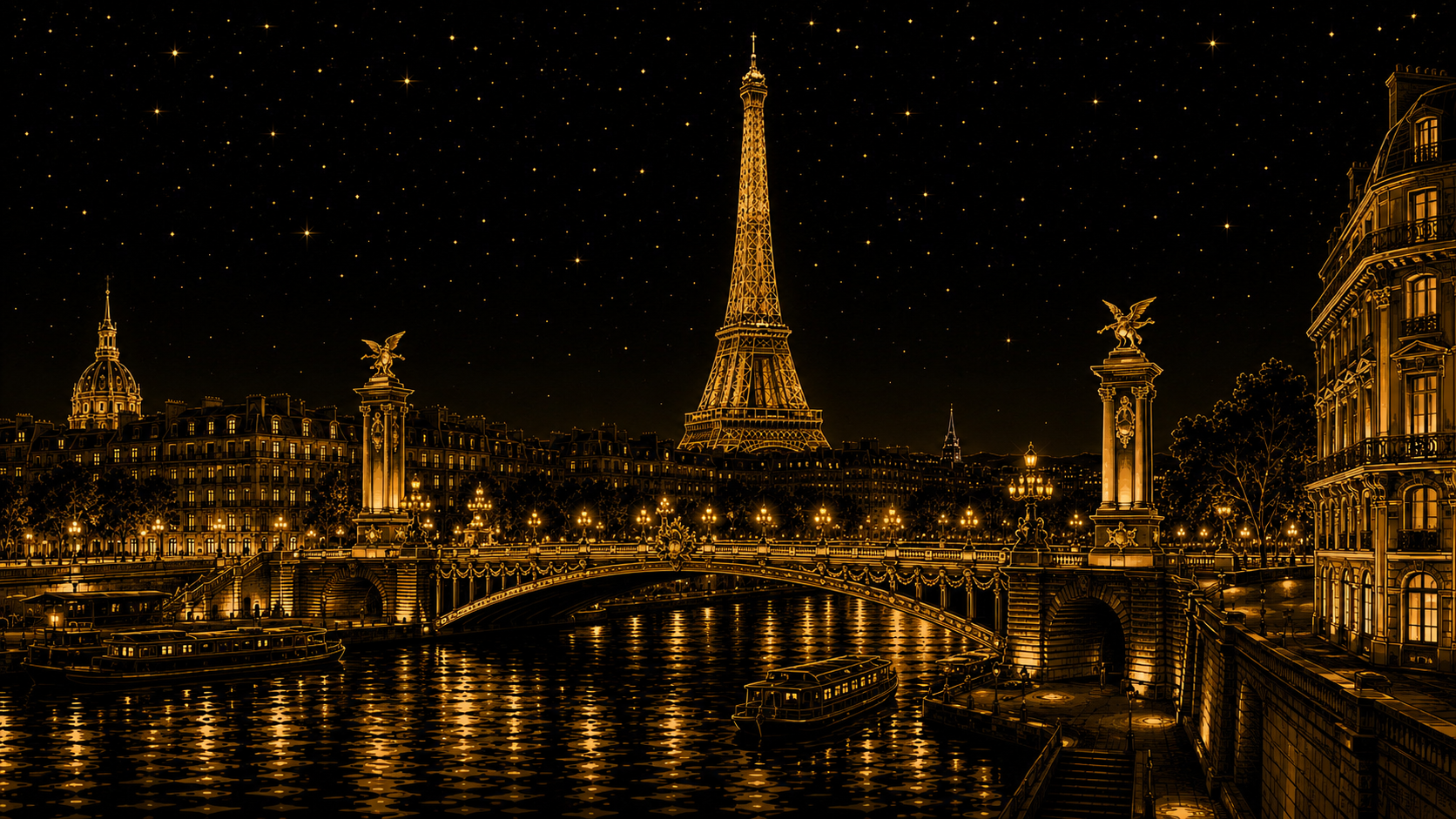
Some love stories begin with certainty. Others begin with inconvenience. Emilia Cazanescu's debut novella, The Short List, belongs firmly to the second category. Set against the quiet elegance of Paris fashion houses, rain-soaked streets, and rooms where ambition is spoken more fluently than affection, the novella follows a woman who discovers that desire is rarely the most dangerous thing she can lose. Ahead of publication, we sat down with Emilia to discuss longing, ambition, and the moments that refuse to leave us.
Studio Sirela: When did you first realize this story belongs on paper?
Emilia Cazanascu: I think there are experiences that end when they end, and experiences that continue living inside you long after the facts have finished. This one refused to become a memory. For a long time I told myself I wasn’t writing a love story. I was writing about work. About fashion. About women building things that might not survive. Then I noticed that every road kept leading back to the same person, the same conversations, the same questions. Eventually I stopped pretending. The truth is that some stories remain unfinished inside us until we give them language.
Studio Sirela: The novella feels deeply romantic, but also deeply concerned with ambition. Were those always connected for you?
Emilia Cazanascu: Completely. I have never understood why people speak about ambition and love as though they belong to different lives. In The Short List, desire is rarely separate from work. Sometimes attraction begins with competence. Sometimes intimacy begins with respect. Sometimes the most dangerous thing a person can say is, I see what you’re capable of.
Studio Sirela: Looking back now, what surprised you most about yourself during this period of your life?
Emilia Cazanascu: I think I surprised myself by how stubbornly I resisted what was happening. People imagine love as a surrender, but for me it felt much more like a negotiation with parts of myself I thought were settled. I had spent years becoming competent. Independent. Difficult to derail. Then suddenly I found myself questioning decisions I would normally make without hesitation. Not because I had become weaker, but because another person had become relevant in ways I hadn't anticipated. That was unsettling. It still is, if I'm honest.
Studio Sirela: There are several scenes in the novella where very little happens outwardly, and yet the emotional tension feels overwhelming. Why are you drawn to restraint?
Emilia Cazanascu: Because restraint is honest. Most of life is not made of dramatic declarations. It’s made of pauses. Of choosing not to say something. Of looking away half a second too late. I’ve always been fascinated by the moments before certainty arrives. A conversation over coffee can be more intimate than a kiss if both people understand what remains unspoken. Perhaps especially then.
Studio Sirela: Without revealing too much, what can you tell us about the man at the center of the story?
Emilia Cazanascu: Only that he would be annoyed by the question. He’s intelligent. Ambitious. Occasionally infuriating. The kind of man who solves problems before asking whether they belong to him. What interested me wasn’t whether he was attractive. Readers can decide that for themselves. What interested me was the tension between competence and vulnerability. There is a particular loneliness that accompanies people who are accustomed to being capable. I think he carries some of that.
Studio Sirela: The women in your life occupy as much space in the story as the romance does. Why was that important to you?
Emilia Cazanascu: Because that's how life actually works. I was navigating friendships, family expectations, financial anxiety, professional uncertainty and ambition—all at the same time. The women around me weren't supporting characters. They were mirrors. They were often the people telling me uncomfortable truths when I least wanted to hear them. If the story has a heartbeat beyond the romance, it belongs to those relationships.
Studio Sirela: Paris feels almost like another character itself.
Emilia Cazanascu: Paris is a city obsessed with performance. Everything in Paris is slightly aware of being observed. The cafés know they’re cafés. The streets know they’re beautiful. Even the rain seems to arrive with artistic intentions. But beneath that performance, there are private lives unfolding quietly. That’s the version of the city I've experienced. Not the postcard. The confession.
Studio Sirela: Many readers will likely see themselves in your story too.
Emilia Cazanascu: I hope so. One of the ideas at the heart of The Short List is that women are often encouraged to become someone else before they are allowed to feel worthy. More successful, or beautiful, or certain. I wanted to write honestly, about how I'm working to become myself. Not perfectly. Just honestly. Which feels very realistic to me.
Studio Sirela: The novella returns often to the idea of being seen. Why does that theme matter so much to you?
Emilia Cazanascu: Because recognition is rarer than attention. Attention is everywhere. Recognition is precise. To be recognized means someone notices the thing beneath the performance. The thing you thought might remain invisible.
Studio Sirela: Was there a scene that stayed with you after you finished writing?
Emilia Cazanascu: Several. A rainy morning. A conversation across a café table. Standing in front of a room full of powerful people, deciding whether I will speak honestly or impressively. Those scenes stay with me because they were about the choice I make. And choices tend to haunt us longer than events.
Studio Sirela: If you could speak to the version of yourself at the beginning of the story, what would you tell her?
Emilia Cazanascu: Very little. That's the frustrating answer. I don't think she would listen. She believed she could think her way out of uncertainty, and unfortunately some lessons refuse to become knowledge until you've lived through them. Perhaps I would tell her to worry less about appearing composed. Mostly, though, I would leave her alone. She had important mistakes to make, and some beautiful discoveries waiting for her on the other side.
Studio Sirela: How would you describe the emotional atmosphere of this book in one sentence?
Emilia Cazanascu: Like standing beneath an umbrella with someone and realizing neither of you is talking about the weather.
Studio Sirela: What do you hope readers feel when they reach the final page?
Emilia Cazanascu: Curiosity. Not about what happened. About themselves. I hope they think about the opportunities they almost abandoned. The moments when they were brave enough to stop performing and simply tell the truth. And perhaps I hope they remember someone. Most readers will. That seems unavoidable.
Set against the mirrored glamour of Paris fashion, The Short List is a story of rivalry, restraint, and the quiet power of surrender.
Tropes Include Rivals to Lovers | Forced Proximity | Luxury Fashion | Workplace Romance | Intellectual Seduction | Paris in the Rain